
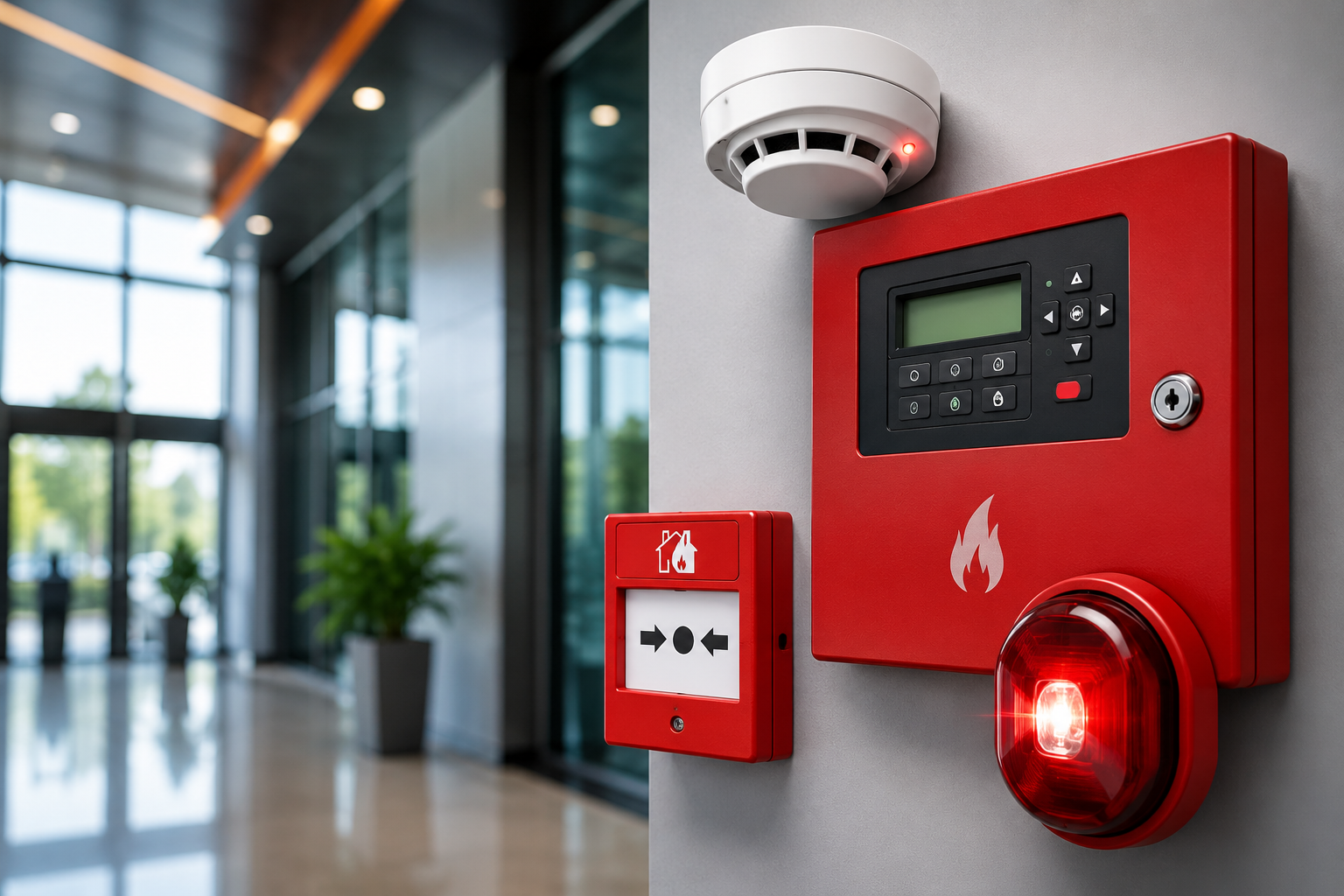
Every commercial building faces numerous fire hazards on a daily basis owing to various reasons such as electricity, machinery, heating and ventilation systems, server rooms, and high occupancy rate.The proper planning of a fire alarm system installation by SRS Fire Safety can contribute significantly toward protecting lives, properties, and business operations from fire hazards.
It does not matter whether it is an office building or a hospital or any other commercial entity; there has to be a good way of detecting fires.
Installing a fire alarm system has great importance for the detection of fire hazards and alerting the presence of a fire hazard in time. The installation of the fire alarm system plays an important part in the detection of any fire risk in time and notifying people immediately. It is important from a security point of view as well as a compliance one.
Why Fire Alarm Systems Are Important for Commercial Buildings
The commercial buildings that are covered by SRS Fire Safety are generally occupied by numerous individuals along with expensive equipment, and thus require a proper fire safety system for their security. The slightest spark or smoke that may not cause any trouble otherwise becomes an extremely dangerous situation.
Installation of an effective fire safety structure ensures:
-
- Timely detection of hazards
- Immediate alerting of people within the premises
- Prevention of property destruction
- Enhanced evacuation process
- Effective cooperation with rescue teams
- Adherence to all fire safety guidelines and standards
The modern fire alarm system installation give a sense of security and keep the business running effectively.
What is a Fire Alarm System?
Fire alarm system installation are networks of devices connected together to detect fire emergencies and alert occupants in buildings using alarm sirens and other forms of warnings.
Components include:
-
- Smoke detectors
- Heat detectors
- Control panel for the fire alarm system installation
- Manual call points
- Notification devices
- Emergency alarm system
Fire alarm system installation options today can incorporate systems such as sprinklers, CCTV surveillance, and access control systems.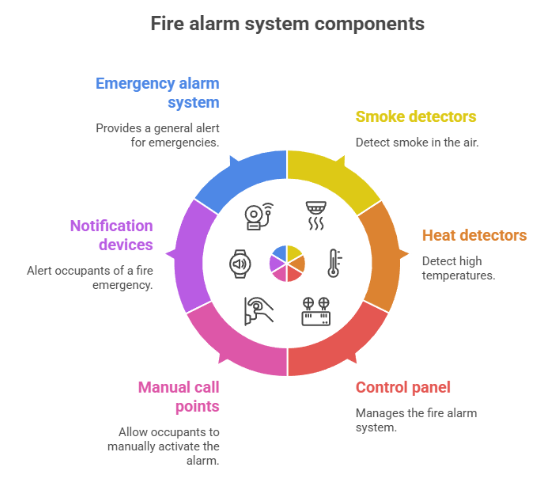
Types of Fire Alarm System Installation for Commercial Buildings
- The need for fire safety equipment depends on the nature of each type of commercial structure owing to its size and risks involved.
- Conventional Fire Alarm System installation
- In conventional fire alarms, the building is divided into various zones. When the alarm sounds, the control panel is able to locate the zone affected by the alarm.
Most Suitable For:
-
- Office buildings
- Shopping centers
- Commercial buildings
Advantages:
-
- Cost effective
- Easy installation
Addressable Fire Alarm System Installation
The addressable system gives the precise position of the activated detector.
Best Suitable for:
-
- Large office blocks
- Factories
- Hospitals
- Warehouses
Advantages:
-
- Rapid response time
- Fewer false alarms
- Precise alarm source location
- Improved monitoring capabilities
Wireless Fire Alarm System Installation
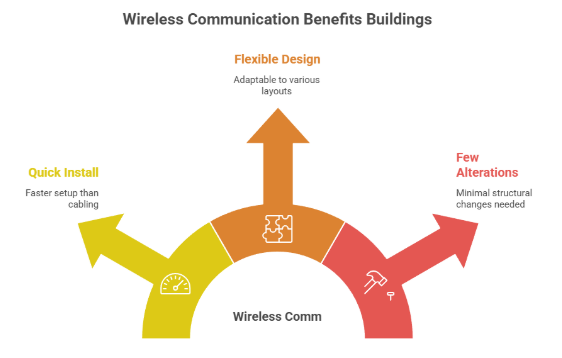
Wireless communication systems use radio frequencies to transmit messages rather than conventional cabling.
Best Suitable for:
-
- Buildings already constructed
- Historical buildings
- Commercial arrangements that are temporary in nature
Benefits include:
-
- Quick installation
- Flexible design
- Few alterations to existing structure
 Fire Alarm System Installation Process
There are certain significant steps followed by SRS Fire Safety during professional commercial fire alarm installation to ensure optimum safety, reliability, and operational efficiency for commercial, industrial, and residential buildings.
Site Survey and Risk Analysis
The installation procedure starts with an extensive survey of the commercial site. The risk areas are identified by experts, including:
-
- Electrical rooms
- Server rooms
- Manufacturing areas
- Storage areas
- Parking areas
System Design Planning
Following inspection, engineers design a tailor-made fire safety plan that consists of the following:
-
- Placement of detectors
- Location of alarms
- Routing of wiring
- Emergency notification systems
- Location of control panels
Effective planning provides optimum coverage and rapid fire detection.
Selection of Fire Alarm Equipment
Quality fire alarm equipment selection plays an important role in ensuring the effectiveness of your system for years to come. Professional fire alarm installation with high-quality detectors, control panels, alarms, and monitoring systems helps businesses maintain reliable fire protection, improved safety, and long-term operational performance.
Examples of fire alarm equipment required for installation include:
-
- Smoke detectors
- Heat detectors
- Beam detectors
- Fire alarm panels
- Manual call points
- Sirens
Wiring & Device Installation
Devices are installed following safety guidelines and approved layouts.
Installation of fire alarm devices is extremely important for avoiding false alarms and ensuring fast reaction in case of any danger.
Fire alarm system installation by professional technicians guarantees safe cable laying and proper mounting of devices.
Integration with Other Safety Systems
Today’s modern fire alarm system installation may work in combination with:
-
- Automatic sprinklers
- PA systems
- CCTV security cameras
- Emergency lights
- Access control systems
Combined systems increase building fire safety system in terms of emergencies.
Testing & Commissioning
After installation, each detector and alarm device undergoes a comprehensive test.
Testing includes:
-
- Smoke detectors’ response checkup
- Alarm sound tests
- Control panels’ functionality verification
- Power supply checkup
- Communications testing
This process assures flawless operation of all parts of building fire safety systems during emergencies.
Common Fire Risks in Commercial Buildings
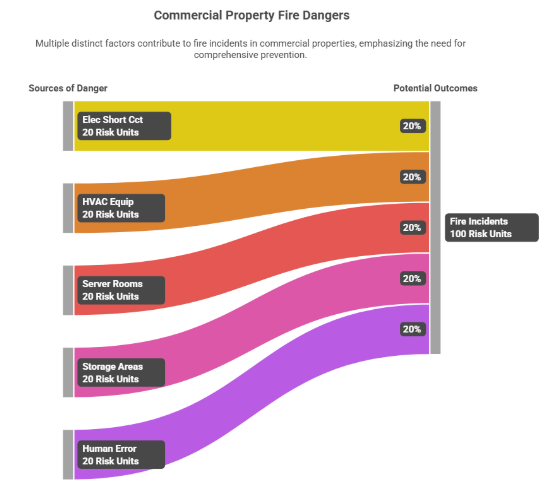
There are many different kinds of fire dangers that occur within commercial properties due to their regular use.
Electrical Short Circuits
Overloaded electrical wiring and malfunctioning wiring are common causes for commercial building fires.
HVAC Equipment
Poorly maintained heating and ventilation can lead to heating of the area and starting of fires.
Server Rooms
Data centers and server rooms create additional heat and require more advanced fire alarm systems.
Storage Areas
Combustible substances within warehouses and storage areas can lead to fire risk increase
Human Error
Improper handling of electronic equipment or flammable materials is another major cause of fires, which is why SRS Fire Safety emphasizes reliable fire protection and safety solutions for commercial and industrial spaces.
Professional fire alarm system installation will prevent these risks from being actual problems.
 Benefits of Professional Fire Alarm System Installation
There are many benefits when it comes to hiring professionals for installing fire alarms.
Improved Safety
Timely detection saves lives and prevents casualties.
Regulatory Compliance
The proper installation guarantees that you comply with all fire safety codes.
Faster Emergency Response
Advanced fire alarms instantly alert both the occupants and the emergency personnel.
Reduced Property Damage
Early detection makes it easier to control fires before they cause any trouble.
Insurance Benefits
Most insurance companies demand proper fire alarm system installation for business premises.
Choosing the Right Fire Alarm System Installation for Your Building
Depending on various aspects such as:
-
- Size of the building
- Occupation of the building
- Type of activities in the business
- Fire hazard analysis
- Budget constraints
Applicable fire safety systems are more suited to larger buildings, while normal systems can be used in smaller office buildings. The choice of building fire safety system will depend on various considerations, including the size and occupancy of the building.
Seeking advice from qualified people will help in getting the most appropriate system.
Importance of Regular Maintenance
Installing a fire alarm system is only one half of the solution. SRS Fire Safety ensures that regular maintenance keeps the fire alarm system functioning consistently and efficiently. Services provided during maintenance include:
-
- Sensor cleaning
- Battery changes
- Wire checks
- Testing alarms
- Testing control panels
Why Businesses Should Invest in Advanced Fire Safety Systems
In modern times, all business areas use technology and cost-intensive infrastructure extensively. Fire incidents can lead to:
-
- Financial damage
- Loss of data
- Interruption of business activity
- Legal issues
- Safety concerns
The professionally designed fire safety system within a building is the first step in handling an emergency situation.
Conclusion
Fire alarm systems are crucial for every commercial building. It does not matter if it is an office building or any other building; installing a proper fire alarm system is essential from a safety point of view. Commercial fire alarm installation provide protection to commercial enterprises from the risk of fire.
The importance of professional installation of commercial fire alarms cannot be underestimated, as it will ensure accuracy of detection, as well as correct integration of such fire safety systems. Businesses should install quality fire alarms to provide employees with protection and comfort.
To get your commercial building protected with professional fire alarm system installation in Coimbatore.